The angioplasty went well. The blockage is open, the chest pain is gone, and you are going home in a day or two. Then, standing at the discharge counter with a bag of new medicines, the questions start: Can I climb stairs? When can I go back to work? Can I eat what I like now? Is this stent going to block again?
After two decades of performing angioplasties, I have learned that what happens in the cath lab is only half the story. The choices you make in the twelve months after your stent decide how long it lasts and, more importantly, whether you ever need another one. This guide answers the questions my patients and their families ask most often, in the order they usually ask them.
Mrs. Sharma (name changed), 58, felt so well a month after her stent that she decided her “heart problem was cured”. During a family wedding, she skipped her blood thinners for four days because she had run out and “felt fine”. She was rushed back with chest pain: a clot had formed inside the new stent. We reopened it quickly, but it was a frightening lesson she now shares with every new patient she meets in our waiting room.
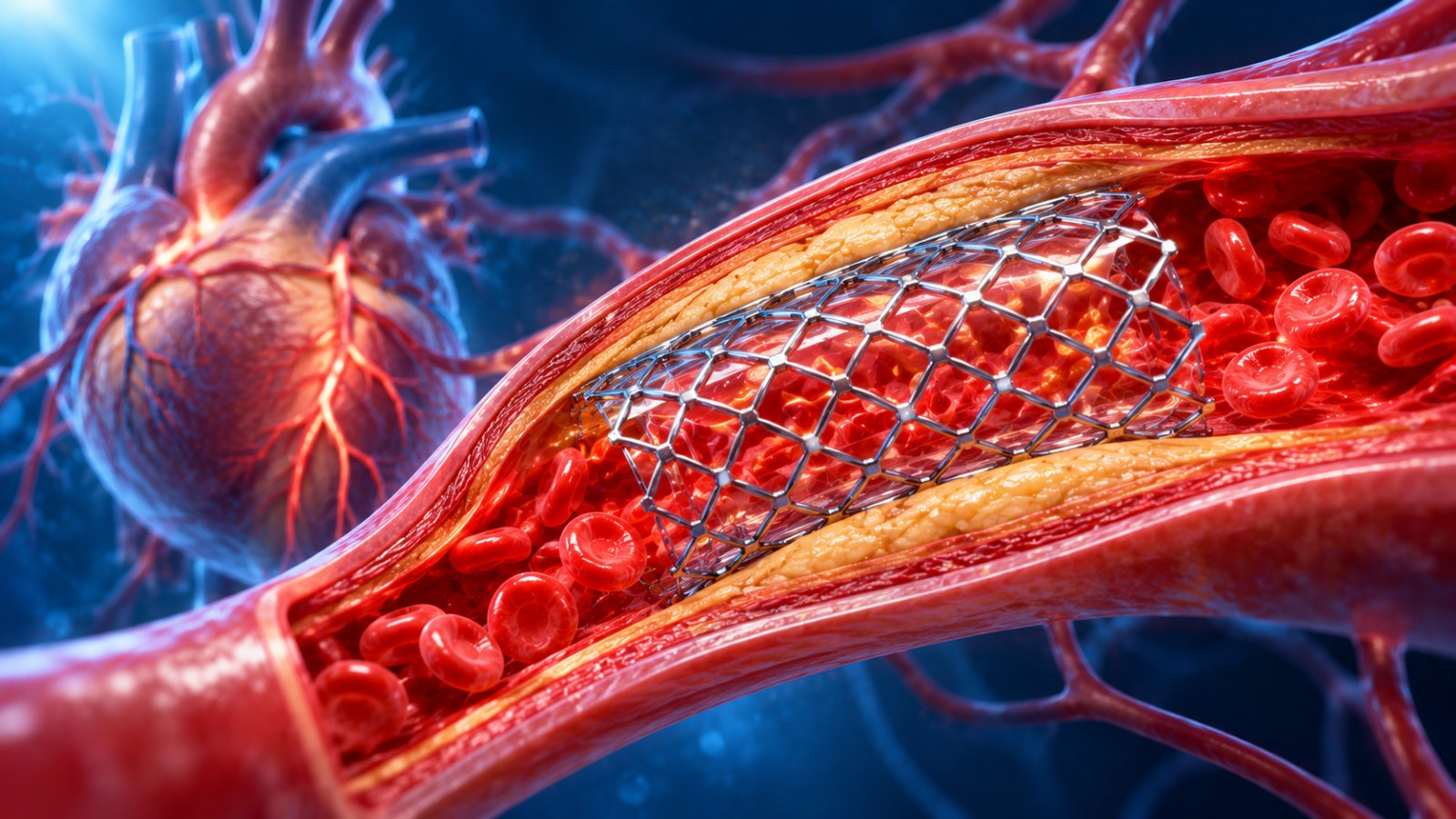
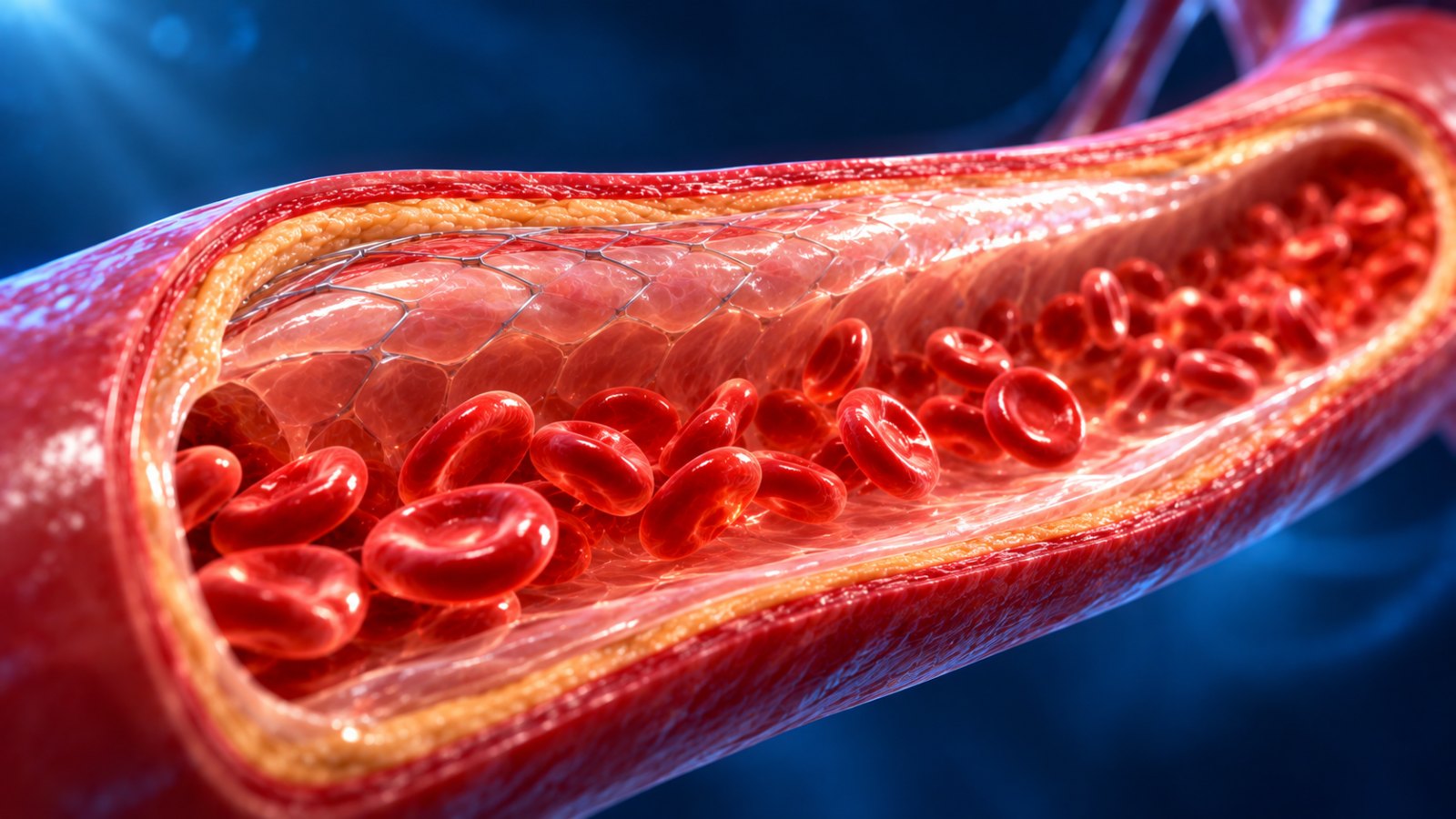
A stent is a tiny mesh tube that holds a narrowed artery open after it has been widened with a balloon. Modern drug-eluting stents slowly release a medicine that stops scar tissue from overgrowing inside them. Over the following weeks and months, the artery’s own lining grows over the stent, and it becomes part of the vessel wall. In selected cases, a drug-coated balloon may be used instead of a stent.
But here is the part many patients miss: the plaque that caused your blockage did not appear only in that one spot. Coronary artery disease is a condition of the whole arterial system. The stent fixes the most critical narrowing; your lifestyle and medicines protect everything else.
The stent buys you time and relief. What you do with that time decides your future.
What I tell every patient at dischargeFor a period after your stent, you will usually take two blood-thinning medicines: aspirin plus a second one such as clopidogrel, ticagrelor or prasugrel. Together they prevent platelets from sticking to the stent before it is fully covered by the artery’s lining.
Lowers LDL cholesterol and stabilises plaque. After a stent, the usual target is LDL below 55 mg/dL (below 50 mg/dL as per Indian recommendations).
Especially important after a heart attack or if heart pumping is reduced. They also control blood pressure.
A proton-pump inhibitor is often added to reduce the risk of stomach bleeding while on two blood thinners.
Used under the tongue if chest pain recurs. If pain does not settle within five minutes, call for emergency help.
Every patient is different, and recovery after an emergency angioplasty for a heart attack is slower than after a planned procedure. Use this as a general guide and follow your cardiologist’s personal advice.
| Timeframe | What’s usually possible | What to watch |
|---|---|---|
| First 2–3 days | Walking around the home, short walks, showering | Puncture site at the wrist or groin: avoid lifting heavy objects with that arm or leg |
| End of week 1 | Desk work, light household tasks, short car drives (if no heart attack and you feel well) | Breathlessness, chest discomfort, swelling or bleeding at the puncture site |
| Weeks 2–6 | Gradually longer brisk walks; cardiac rehabilitation; most people resume sexual activity once comfortable with mild exertion | Any chest pain on exertion should be reported |
| After a heart attack | Return to work often takes 2–6 weeks, depending on heart function and job type | Fatigue and low mood are common and treatable; mention them |
| 3–6 months | Most normal activities, including travel, sports and gym work, as cleared by your cardiologist | Repeat cholesterol, sugar and kidney tests to confirm you are at target |
Activity is medicine after a stent. Start with 10–15 minute walks and build up gradually towards at least 30 minutes of brisk walking on most days. A supervised cardiac rehabilitation programme, which combines guided exercise, diet advice and emotional support, has been shown to reduce future heart problems and hospital admissions. Ask your team about it.
Continuing to smoke or chew tobacco after a stent sharply increases the risk of another heart attack. Quitting is the single most powerful step you can take, and it is never too late. Ask for help: counselling and medicines improve success rates.
If chest pain lasts more than five minutes or does not settle with a sublingual nitrate, call emergency services and go to the nearest hospital with a cath lab.
Today, Mrs. Sharma walks 45 minutes every morning, has brought her LDL below 50 mg/dL, and keeps a small box of medicines in every handbag. “I thought the stent was the treatment,” she told me at her one-year review. “Now I understand that I am the treatment.” I could not have put it better.
Usually two blood thinners for about 6 months after a planned angioplasty and about 12 months after a heart attack, followed by one antiplatelet medicine long term. Your cardiologist may adjust this based on your bleeding risk and procedure. Never stop on your own.
It can, but it is uncommon with modern drug-eluting stents. Gradual re-narrowing (restenosis) occurs in a small percentage of patients, and sudden clotting (stent thrombosis) is rare and most often linked to stopping blood thinners early. New blockages in other arteries are prevented by controlling risk factors.
Many people can drive a private car about a week after an uncomplicated planned angioplasty. After a heart attack, or if you drive commercially, the waiting period is longer. Check with your cardiologist and local regulations.
After an uncomplicated planned procedure, short flights are usually possible within a few days to a week. After a heart attack, wait until your cardiologist confirms you are stable. Carry your medicines in your hand luggage along with your discharge summary and stent card.
Yes. Fatigue, anxiety and low mood are common, especially after a heart attack. They usually improve with time, gradual exercise and cardiac rehabilitation. Tell your doctor if they persist.
Not routinely. A repeat test is done only if symptoms return, if a stress test is abnormal, or in certain complex cases as advised by your cardiologist.
Whether you had your angioplasty last week or five years ago, a review of your medicines, cholesterol targets and lifestyle can make a real difference. Dr. Sanjeev Gera offers comprehensive post-angioplasty care in Noida.
Fortis Hospital, Sector 62, Noida (Mon–Sat, 8:30 AM–5:30 PM) · Center for Heart, Spectrum Mall, Sector 75 (Mon–Sat, 7:00–9:30 PM)This article is for general education and does not replace a personal medical consultation. Follow the specific instructions given by your own cardiologist.
 +(91)9810466173
 info@drsanjeevgeracardiologist.com